
Understanding the Trauma Scene Cleanup Process in Arlington: From Arrival to Restoration
Dealing with a traumatic event is overwhelming, and the cleanup that follows can feel impossible for families, property owners, and businesses. When a serious incident occurs, trauma scene cleanup in Arlington must be handled with professionalism, compassion, and care.
This guide explains the full trauma cleanup process step by step from the moment our team arrives through final restoration. It also covers important legal considerations, local requirements, insurance support, and how professional trauma cleanup services like T.A.C.T. DC Metro support clients every step of the way.
Why Proper Trauma Scene Cleanup Matters
Trauma scenes often involve biohazards such as blood, bodily fluids, and contaminated materials. These hazards can carry dangerous pathogens, including viruses and bacteria, that pose serious health risks if not handled correctly. Because of this, the restoration of trauma scenes requires specialized training, protective equipment, and strict safety protocols.
Attempting to clean biohazards without professional training is unsafe and may violate local or federal regulations. That is why hiring a professional trauma cleanup company is essential for safety, compliance, and peace of mind.
1. Arrival and Initial Assessment
When our trauma cleanup team arrives, the first step is a detailed assessment of the scene. This includes:
Identifying all affected areas
Biohazards can spread beyond what is immediately visible. Technicians inspect floors, walls, furniture, corners, and porous materials to locate both visible and hidden contamination.
Evaluating safety risks
Before cleanup begins, our team checks for potential hazards such as:
- Structural damage
- Sharp objects
- Remaining law enforcement or medical equipment
- Biological threats
Coordinating with local authorities
In Arlington, cleanup cannot begin until law enforcement officially releases the scene. T.A.C.T. DC Metro is familiar with Arlington County protocols and coordinates appropriately to ensure compliance.
This assessment ensures the trauma cleanup process starts safely and efficiently.
2. Securing and Containing the Scene
To prevent cross-contamination, technicians isolate affected areas using professional containment methods, including:
- Plastic sheeting
- Biohazard tape
- Negative air machines, when necessary
This step is critical to trauma scene cleanup in Arlington, ensuring contaminants remain confined and are handled safely throughout the cleanup process.
3. Removal of Biohazards and Contaminated Materials
This phase is often the most intensive part of the cleanup process and includes:
Safe collection of biohazards: All blood, bodily fluids, and biohazardous waste are removed following OSHA and EPA standards.
Proper disposal procedures: Biohazard materials must be transported to approved medical waste facilities. Licensed cleanup providers ensure full compliance with both federal and Virginia regulations.
Removal of contaminated items: Items such as carpeting, bedding, or furniture may need to be discarded if they cannot be safely disinfected. All removed materials are documented to support insurance claims.
4. Cleaning, Sanitizing, and Disinfecting
After visible contamination is removed, technicians perform deep cleaning to ensure the space is safe for re-entry.
Industrial-grade cleaning products: EPA-approved disinfectants are used to eliminate viruses, bacteria, and contaminants at the source.
Advanced tools and technology: Professional equipment may include:
- HEPA-filter vacuums
- ATP testing tools
- Foggers or ozone machines, when appropriate
Proper sanitizing is essential to the restoration of trauma scenes, where strict health and safety standards must be met.
5. Odor Removal and Air Purification
Trauma scenes can leave strong odors that persist even after cleaning. Professional trauma cleanup teams use specialized equipment such as:
- Air scrubbers
- Hydroxyl generators
- Ozone treatments, depending on the situation
These tools remove odors at the molecular level and restore clean, breathable air.
6. Restoration and Final Repairs
After cleaning and disinfection are complete, the focus shifts to full restoration. Depending on the extent of damage, this may include:
- Drywall replacement
- Flooring installation
- Repainting
- Deep cleaning of unaffected areas
The goal is to return the space to a safe, comfortable condition that looks and feels as it did before the incident. Professional trauma cleanup services like T.A.C.T. DC Metro manage both cleanup and restoration to simplify the process for families and property owners.
7. Documentation and Insurance Support
Trauma cleanup is often covered by homeowners or commercial insurance policies. Many families worry about costs, but experienced providers assist throughout the insurance process. Insurance claim documentation includes:
- Photos of affected areas
- Itemized removal lists
- Cleanup and restoration reports
- Waste disposal manifests
Companies like T.A.C.T. DC Metro work directly with insurance adjusters, helping reduce stress and streamline approvals. Understanding insurance options is a key part of the trauma cleanup steps, and trusted providers guide clients from start to finish.
Legal and Compliance Considerations in Arlington
The restoration of trauma scenes in Arlington must comply with regulations enforced by agencies such as:
- OSHA (Occupational Safety and Health Administration)
- EPA (Environmental Protection Agency)
- Virginia Department of Environmental Quality
Failure to follow these regulations can result in fines or legal consequences. Only certified cleanup professionals should manage trauma scene cleanup.
Local Expertise: T.A.C.T. DC Metro in Arlington
T.A.C.T. DC Metro is a trusted provider of trauma scene cleanup in Arlington, offering fast, discreet, and compassionate service. Our technicians are fully trained in biohazard removal, disinfection, and complete restoration.
We specialize in:
- Crime scene cleanup
- Suicide and unattended death cleanup
- Blood and biohazard remediation
- Hoarding and hazardous conditions
- Odor and contamination removal
Our local Arlington team is available 24/7 and provides professional trauma cleanup services that restore properties safely and respectfully. We also assist with insurance claims, documentation, and communication with adjusters to ease the burden on families and property owners.
Summary
Facing a trauma scene is never easy, but understanding the trauma cleanup steps helps set expectations during a difficult time. From initial assessment through the restoration of trauma scenes, professional teams ensure safety, compliance, and peace of mind.
If you need fast, discreet, and compassionate assistance, T.A.C.T. DC Metro is here to help. Our experts deliver high-quality trauma scene cleanup in Arlington, guiding you through every step—including insurance support and full restoration.
Contact T.A.C.T. DC Metro at (202) 952-9808 for immediate, professional trauma cleanup services. We are available 24/7 to help restore your property and bring peace back to your space.
FAQ
Latest news
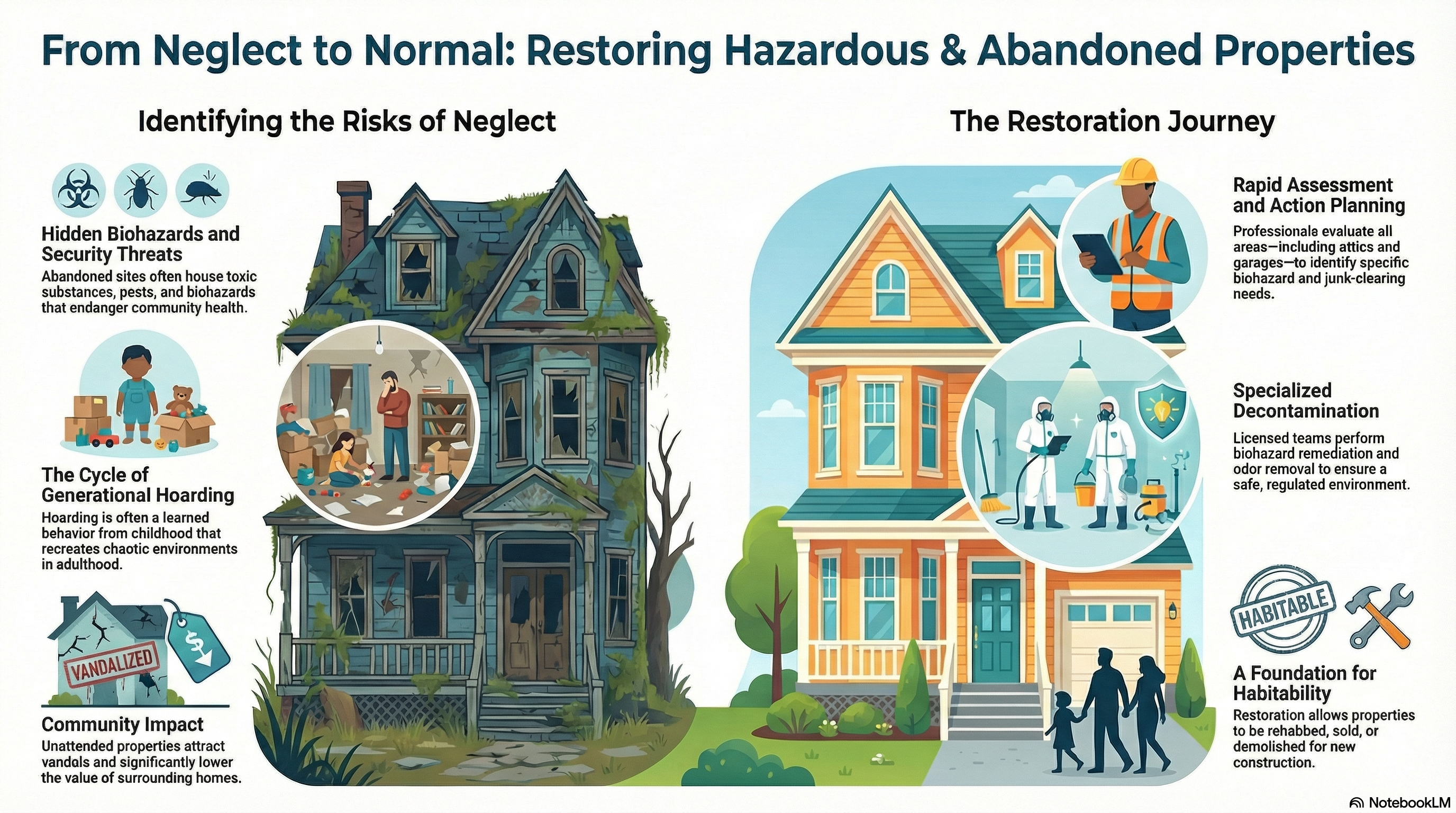
The complexities of hoarding, specifically focusing on how it can become a generational habit passed down through family environments.
Read More
Explore the essential steps involved in trauma scene cleanup, from initial arrival to final restoration, ensuring safety and peace of mind for Arlington residents.
Read More
Discover the potential hazards and health risks associated with attempting biohazard cleanup on your own in Arlington, and learn why calling professional services is crucial for safety and compliance.
Read More